Events
Our Events
Why La Catrina Matters
La Catrina matters because she symbolizes equality in death, reminding us that social class disappears in the end. She preserves the fusion of indigenous beliefs and Mexican identity through art and tradition. She transforms mourning into celebration, giving joy and meaning to Día de los Muertos. And she continues to inspire creativity worldwide, standing as an enduring icon of culture, memory, and life.
Consultation With Us:
Unlocking Answers: FAQs for Every Curiosity!
La Catrina is an iconic figure in Mexican culture, originally illustrated by José Guadalupe Posada around 1910. She represents equality in death and has become a central symbol of Día de los Muertos.
She is a reminder that wealth and status mean nothing in the face of death. Over time, she has also become a symbol of Mexican identity, blending indigenous traditions with European influences.
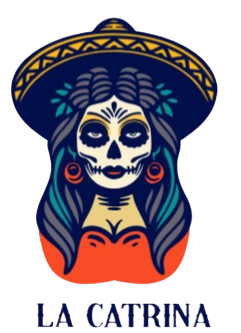
She is usually depicted as a skeleton dressed in elegant clothing, wearing a large feathered hat that mocked the fashion of the wealthy elite in early 20th-century Mexico.
La Catrina appears in Día de los Muertos parades, face-painting, costumes, art exhibits, and festivals worldwide. People often dress up as her to honor tradition and celebrate life.
We showcase the history, art, and traditions of La Catrina through documentaries, events coverage, interviews with artists, cultural guides, and creative features.
Yes! We welcome artists, cultural enthusiasts, and community members to share their work or join our events. Visit our Contact Us page to get in touch.